
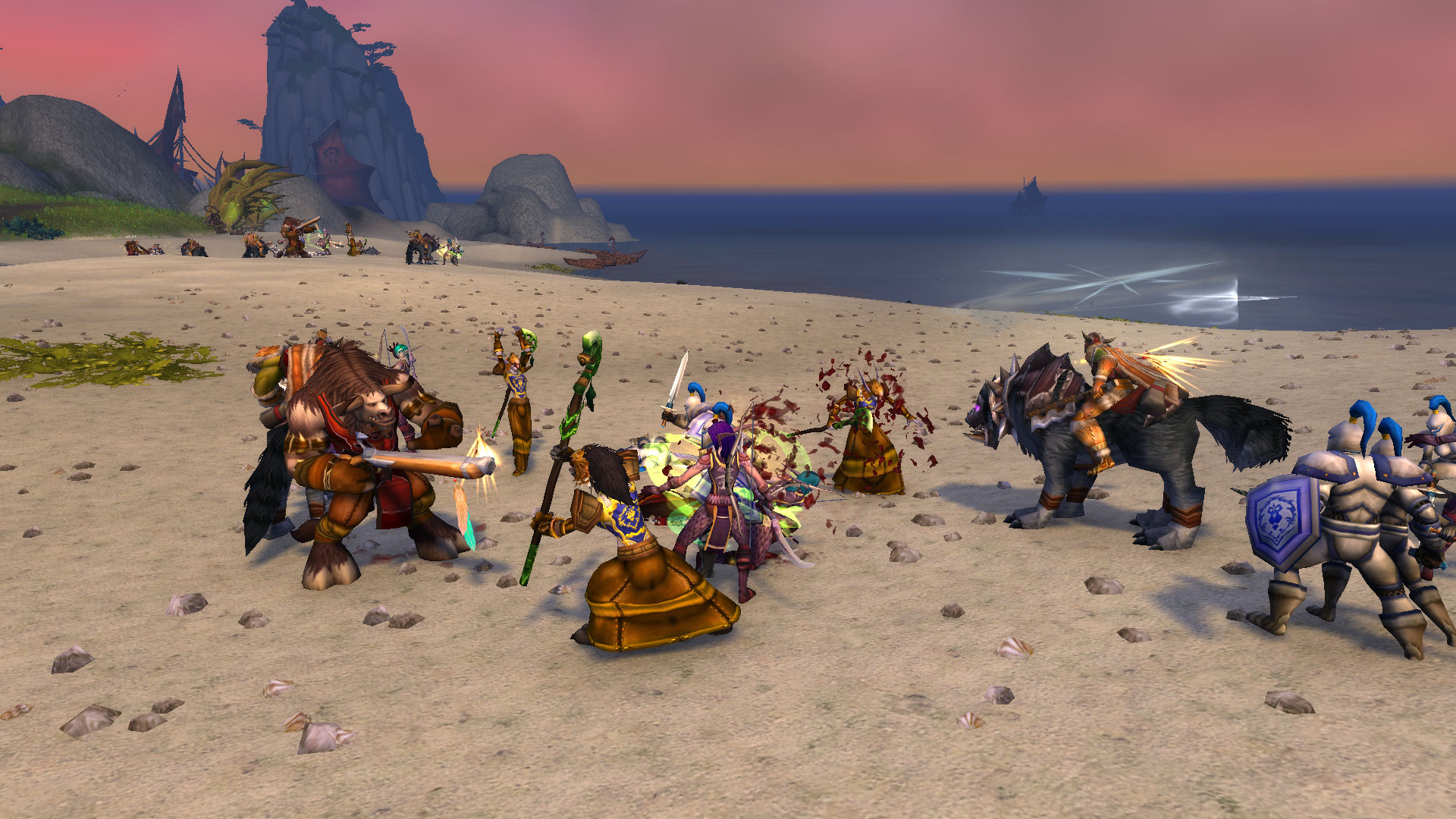
In World of Warcraft: The Burning Crusade (TBC), PvP resilience stats are crucial for mitigating damage from high critical strikes, especially in competitive environments. Resilience reduces the chance of being critically hit and lowers the damage taken from critical hits. Understanding how resilience interacts with other stats can significantly enhance your survivability in PvP encounters. This guide will delve into the mechanics of resilience, its impact on gameplay, and strategies to optimize your character for PvP success.

What are the key resilience stats and how do they affect PvP performance?
Resilience stats reduce the chance of being critically hit and decrease damage taken from critical strikes, making them essential for PvP survival.
In TBC, resilience is a unique stat that directly influences your character’s effectiveness in PvP. The following table outlines the key resilience metrics and their effects on gameplay. Understanding these metrics allows players to make informed decisions about gear and stat priorities.
| Resilience Rating | Critical Hit Reduction | Damage Reduction from Crits | Effect on Overall Survivability |
|---|---|---|---|
| 1 | 0.02% | 0.1% | 1.0% |
| 100 | 2.0% | 10.0% | 10.0% |
| 200 | 4.0% | 20.0% | 20.0% |
How does resilience work in mitigating critical strikes in PvP?
Resilience functions by reducing the likelihood of receiving critical hits and minimizing the damage taken from those hits, crucial for PvP encounters.
Resilience operates on a straightforward principle: for every point of resilience, players gain a percentage reduction in critical hit chance from opponents. This mechanic is vital in PvP, where critical hits can lead to devastating damage spikes. The resilience stat scales with each point, meaning that as players accumulate more resilience, the benefits compound, leading to a significant decrease in the frequency and impact of critical hits. For instance, with 200 resilience, a player can reduce their chance of being critically hit by 4%, which can be a game-changer in high-stakes PvP scenarios.
Moreover, resilience also provides a damage reduction effect for critical hits that do land. This means that even if a critical hit occurs, the damage dealt is lessened based on the amount of resilience a player has. For example, with 200 resilience, the damage taken from critical hits is reduced by 20%. This dual functionality makes resilience a cornerstone of PvP strategy, as it directly influences a player’s ability to withstand burst damage from opponents.
To maximize the effectiveness of resilience, players should consider their overall gear setup and stat distribution. Prioritizing resilience on gear can lead to a more balanced character capable of surviving intense PvP engagements. The synergy between resilience and other defensive stats, such as stamina and armor, can further enhance survivability. Players should also be aware of the diminishing returns on resilience, as stacking too much can lead to a less effective overall build.
What steps can I take to optimize my resilience for PvP?

To optimize resilience for PvP, focus on acquiring gear with high resilience ratings, understanding your class mechanics, and adjusting your playstyle accordingly.
Optimizing resilience involves a strategic approach to gear selection, stat priorities, and gameplay tactics. Players should first assess their current resilience rating and identify areas for improvement. This may involve acquiring gear specifically designed for PvP, which often comes with higher resilience ratings. Additionally, players should consider enchanting their gear with resilience-boosting enhancements to further increase their survivability.
- Evaluate your current gear and identify pieces that lack resilience; prioritize upgrading these items.
- Seek out PvP vendors in major cities to purchase gear with high resilience ratings.
- Consider using consumables like elixirs and potions that enhance resilience or overall survivability during PvP matches.
- Adjust your talent build to include abilities that synergize well with resilience, enhancing your overall defensive capabilities.
In addition to gear, understanding your class’s unique mechanics can help tailor your approach to PvP. For instance, some classes may benefit from positioning and timing to maximize the effectiveness of resilience. Players should also practice situational awareness, allowing them to react appropriately to incoming damage and utilize defensive cooldowns effectively. By combining gear optimization with strategic gameplay, players can significantly improve their resilience and overall performance in PvP.
What are the critical parameters for resilience in PvP scenarios?
Critical parameters for resilience include understanding your opponent’s damage potential, managing cooldowns effectively, and adapting your strategy based on the PvP environment.
In PvP, several critical parameters influence how resilience functions and impacts gameplay. First, understanding the damage potential of opponents is essential. Different classes and specs have varying burst damage capabilities, and knowing these can help players gauge how much resilience is necessary. For example, against classes with high critical hit rates, such as rogues or mages, players may want to prioritize resilience even more heavily in their gear choices.
Additionally, managing defensive cooldowns is crucial for maximizing resilience’s effectiveness. Players should time their cooldowns to coincide with anticipated bursts of damage, ensuring that they mitigate as much damage as possible. This requires an understanding of enemy cooldowns and burst windows, allowing players to react appropriately. Furthermore, adapting strategies based on the PvP environment—whether in arenas or battlegrounds—can also influence how resilience is applied. For instance, in a crowded battleground, positioning may be more critical than in a one-on-one arena match.
Finally, players should remain flexible in their approach, adjusting their resilience strategy based on the composition of their team and opponents. This adaptability can lead to improved survivability and overall performance in PvP. By focusing on these critical parameters, players can create a robust framework for utilizing resilience effectively in various PvP scenarios.
What troubleshooting steps should I consider for resilience-related issues in PvP?

If you encounter issues with resilience in PvP, consider reviewing your gear, analyzing your performance metrics, and adjusting your strategy accordingly.
When players experience challenges related to resilience in PvP, it is essential to troubleshoot effectively. One of the first steps is to review your gear and ensure that you have the appropriate resilience rating for your PvP goals. Players should check if they have equipped the best available gear and whether they have optimized their enchants and gems for resilience. Additionally, analyzing performance metrics can provide insights into how well resilience is functioning in practice. Tools like damage meters can help players assess how much damage they are taking and whether resilience is effectively mitigating critical hits.
Another common issue may arise from a misunderstanding of resilience mechanics. Players should ensure they are aware of how resilience interacts with other stats and abilities. For example, stacking too much resilience at the expense of other critical stats like stamina can lead to a fragile build. Players should also consider their positioning and tactics during fights, as poor positioning can negate the benefits of resilience, leading to unnecessary deaths.
Lastly, seeking feedback from experienced players or utilizing community resources can provide valuable insights into resilience-related issues. Engaging with forums or PvP communities can help players discover new strategies or gear options that they may not have considered. By addressing these troubleshooting steps, players can enhance their resilience and overall performance in PvP scenarios.
What future trends should I watch for regarding resilience in PvP?
Future trends in resilience for PvP may include changes in gear design, evolving class mechanics, and potential balance adjustments in upcoming patches.
As World of Warcraft continues to evolve, players should keep an eye on future trends regarding resilience in PvP. One significant trend is the potential for changes in gear design that may impact resilience ratings. Developers often adjust gear stats to promote diverse playstyles, which could lead to new opportunities for resilience optimization. Players should stay informed about upcoming patches and expansions that may introduce new gear or alter existing items.
Additionally, evolving class mechanics can influence how resilience is perceived and utilized in PvP. As classes receive balance adjustments, the effectiveness of resilience may shift, requiring players to adapt their strategies accordingly. For example, if a class receives a buff to critical hit damage, players may need to prioritize resilience even more heavily to counteract this increase in burst potential.
Finally, community trends and player feedback can shape the future of resilience in PvP. Engaging with the player base and participating in discussions about resilience can provide valuable insights into emerging strategies and best practices. By staying informed and adaptable, players can ensure that they remain competitive in the ever-changing landscape of PvP in World of Warcraft TBC.
Leave a Reply