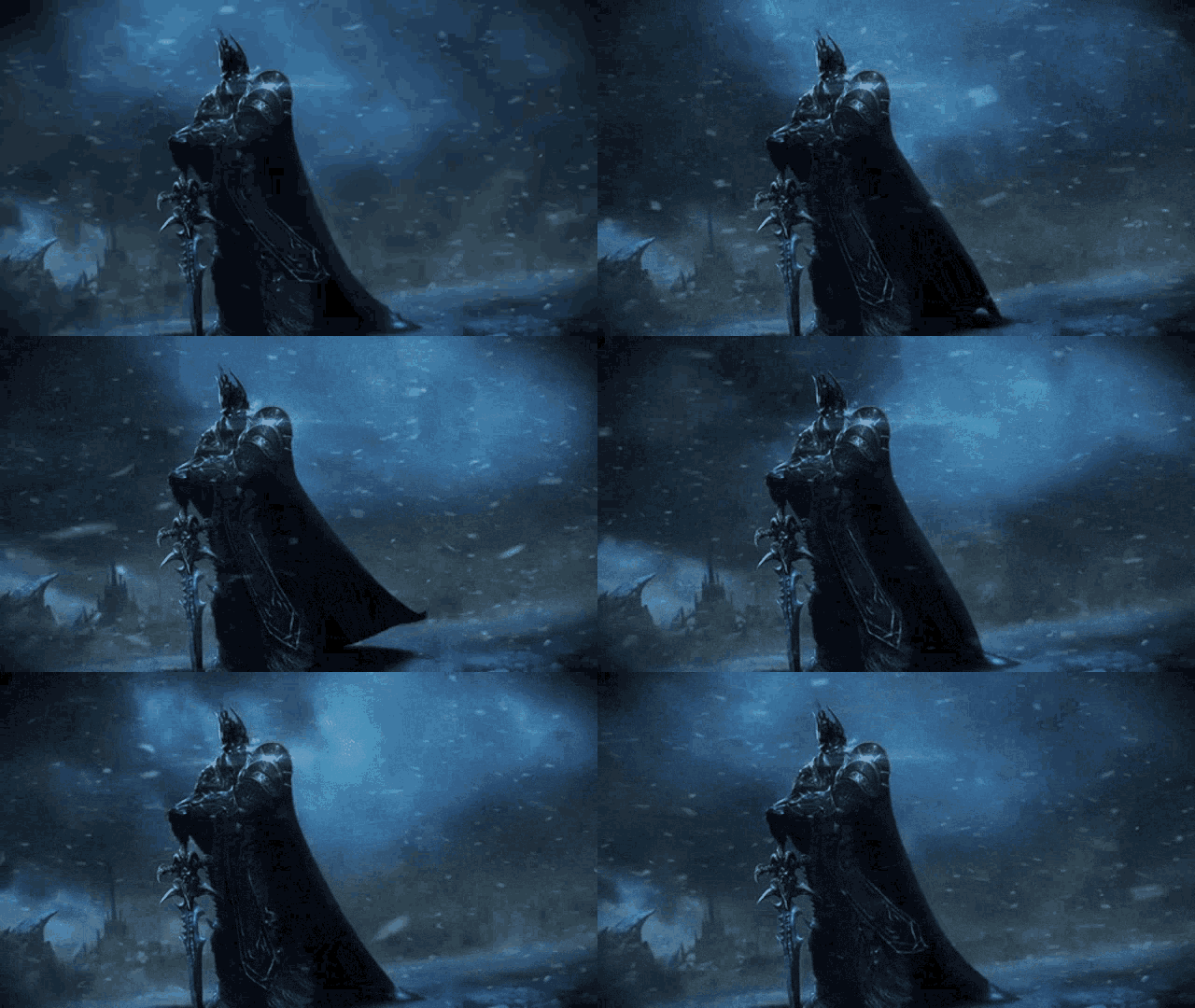
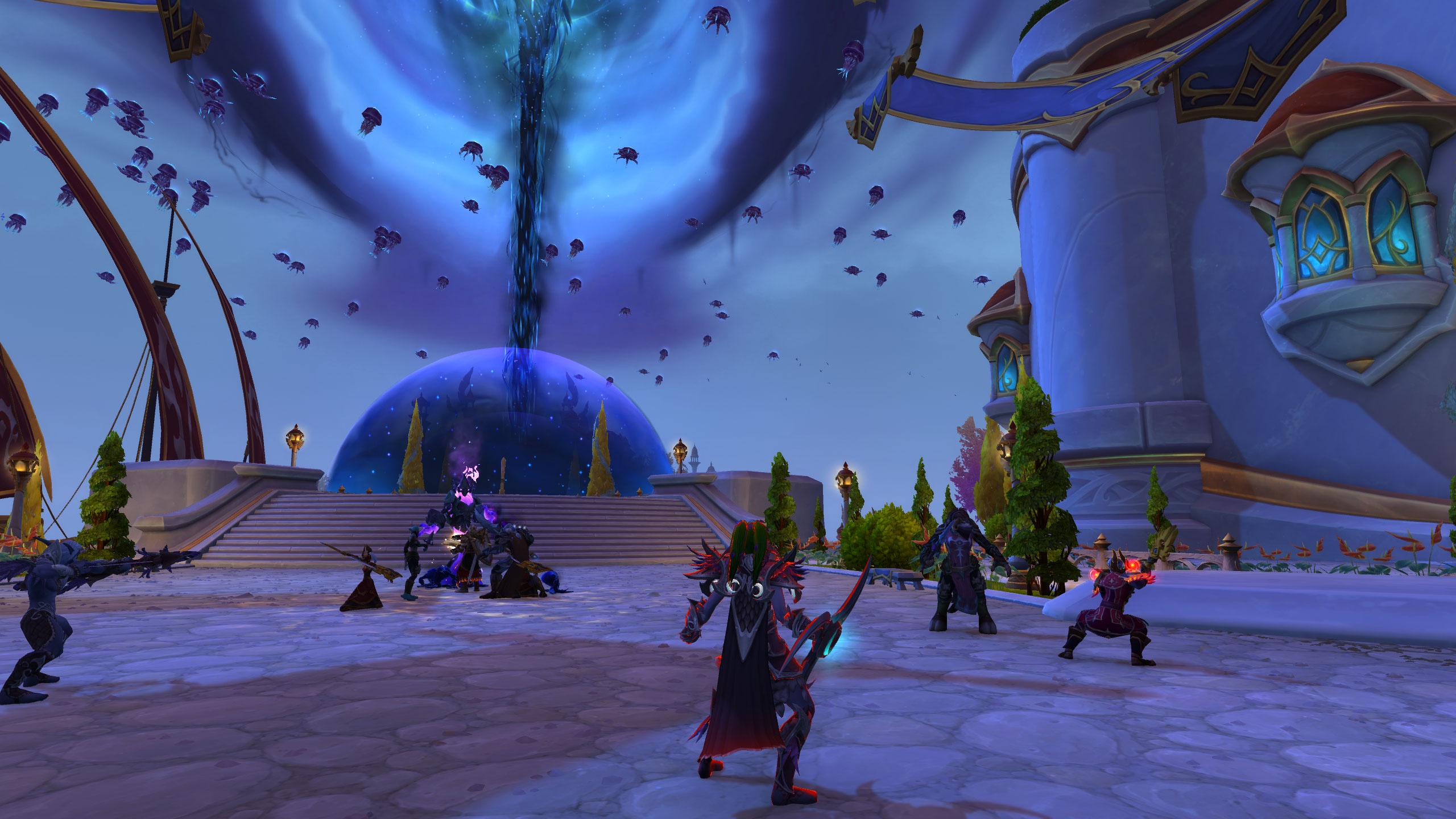
The conflict between the Horde and the Alliance has been a cornerstone of World of Warcraft’s narrative since the game’s inception. Over the years, this rivalry has evolved through various expansions, introducing complex storylines, character developments, and shifting allegiances. From the early days of unprovoked attacks to the more nuanced characters that now populate each faction, players have witnessed a dramatic evolution in the nature of this conflict. As the game progresses towards its next chapter, many players ponder: will we ever see true peace between these two iconic factions, or is conflict destined to remain an integral part of Azeroth’s lore?
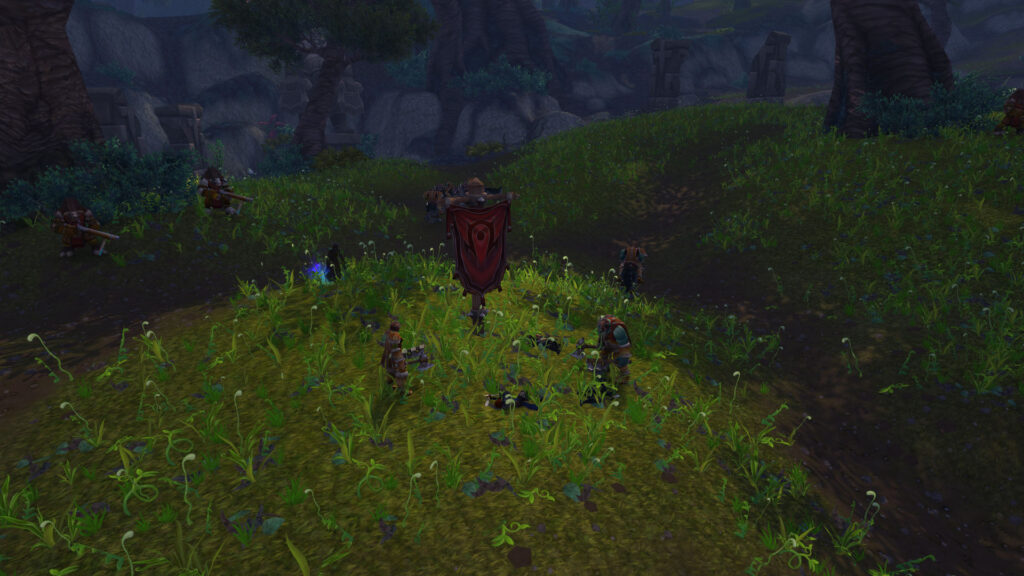
The Historical Context of Faction Conflict
The historical context of the Horde and Alliance conflict is rich and layered, deeply rooted in the events of Warcraft lore. Initially, the two factions clashed due to territorial disputes and misunderstandings following the Third War. Key events, such as the rise of the Lich King and the Cataclysm, further fueled animosity, leading to numerous battles and epic confrontations. Players have seen the conflict evolve from simple skirmishes to full-scale wars, with both factions rallying their champions for dominance. Understanding this history is crucial, as it sets the stage for current tensions and potential resolutions. Below is a table summarizing major conflicts between the Horde and Alliance:
| Conflict | Expansion | Outcome |
|---|---|---|
| The Third War | Classic | Alliance victory, but at great cost |
| The War of the Ancients | Burning Crusade | Alliance and Horde unite against common threats |
| The War of the Thorns | Battle for Azeroth | Escalation of hostilities, leading to major casualties |
Current State of Relations and Future Prospects
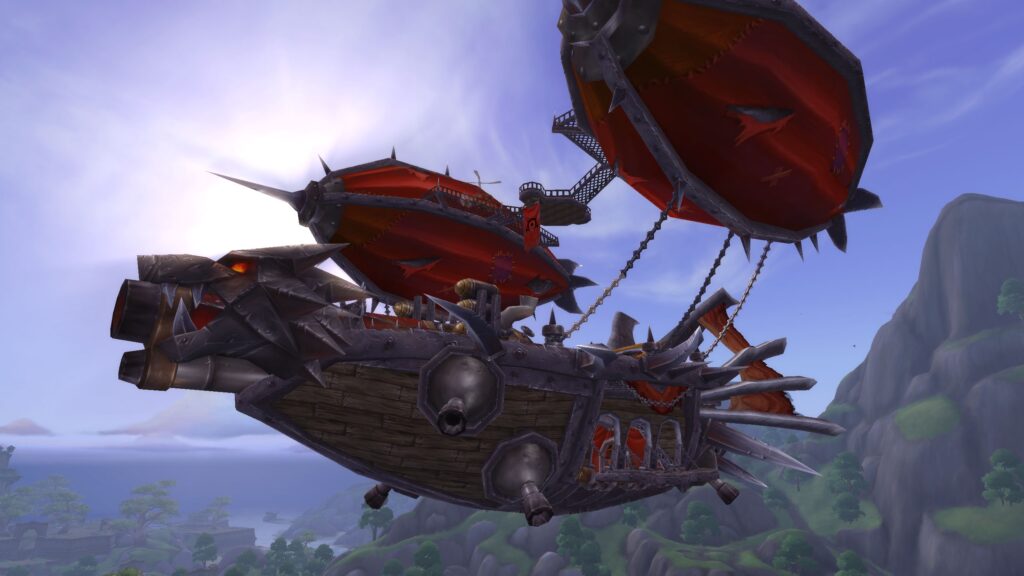
As of the latest expansion, the relationship between the Horde and Alliance remains strained, yet there are glimmers of hope for future peace. Recent narratives have introduced characters who advocate for diplomacy and understanding, challenging the traditional notions of enmity. However, underlying tensions still exist, driven by the actions of rogue elements within both factions who seek to exploit conflict for personal gain. Key to any potential peace will be the players’ actions and choices as they navigate quests and storylines. The following elements will be critical in shaping future relations:
- Character Development: Key figures such as Thrall and Anduin Wrynn are pivotal in advocating peace.
- Quest Lines: Player choices in major story arcs that may influence faction relations.
- Community Feedback: The impact of player sentiment on future narrative directions.
Conclusion: The Path to Peace
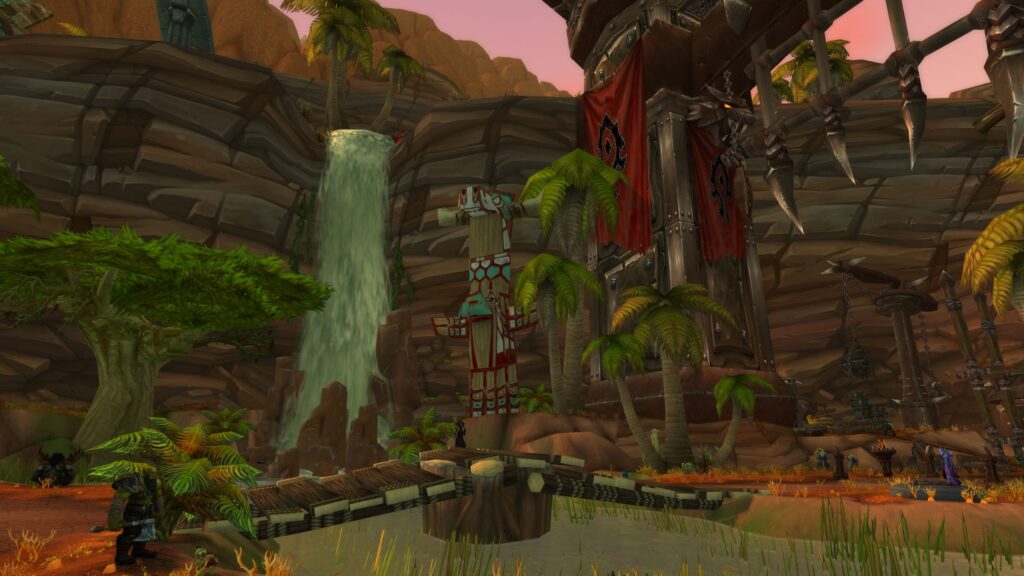
In conclusion, the path to true faction peace in World of Warcraft is fraught with challenges but is not impossible. The evolution of the Horde and Alliance conflict illustrates a complex narrative that continues to develop with each expansion. With players at the helm, the potential for reconciliation exists, but it requires a collective will to embrace change and foster understanding. As the lore unfolds, players must remain engaged and proactive in shaping the future of Azeroth—after all, the warcraft is not just about battle, but about the stories we create together.
Leave a Reply