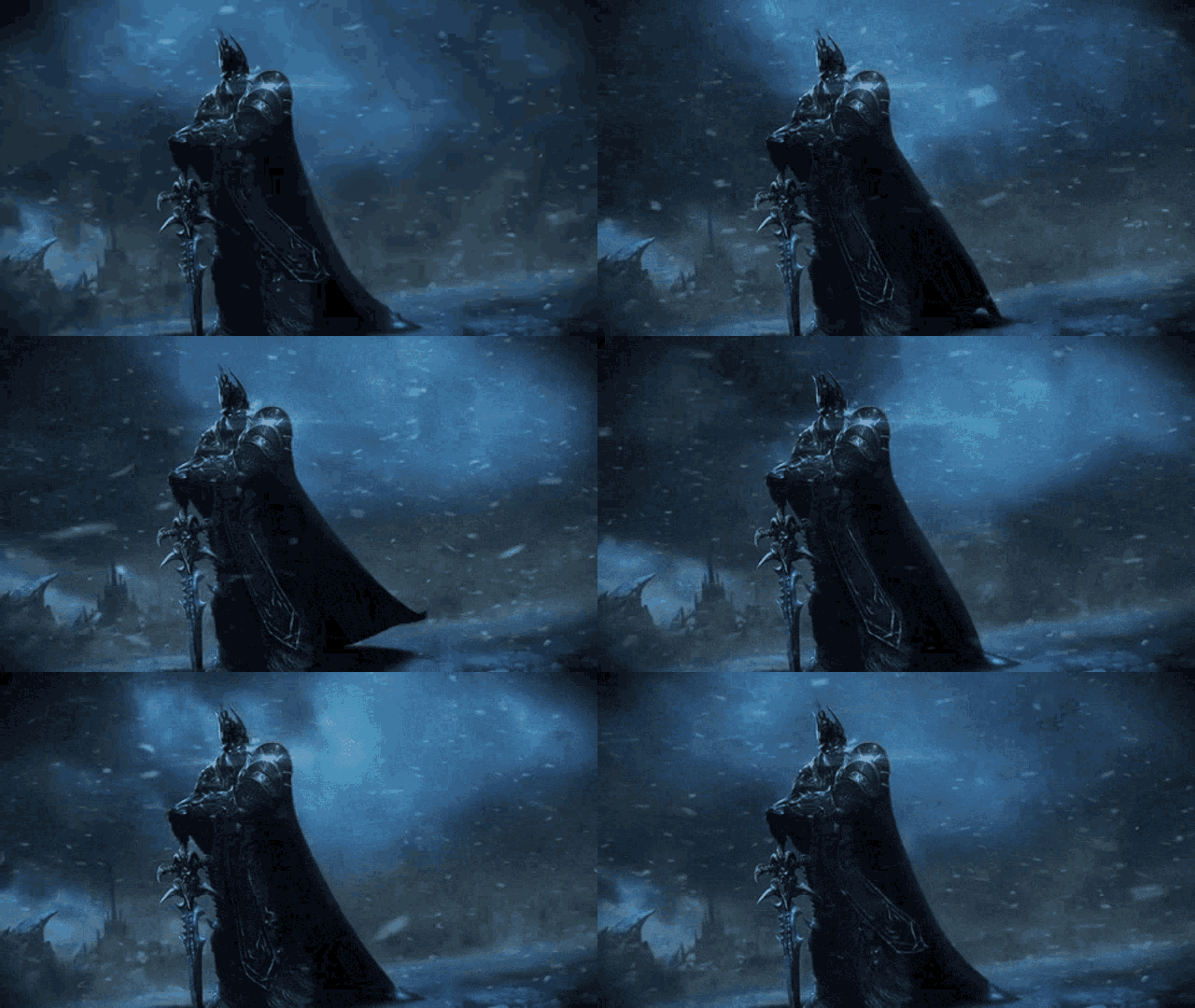
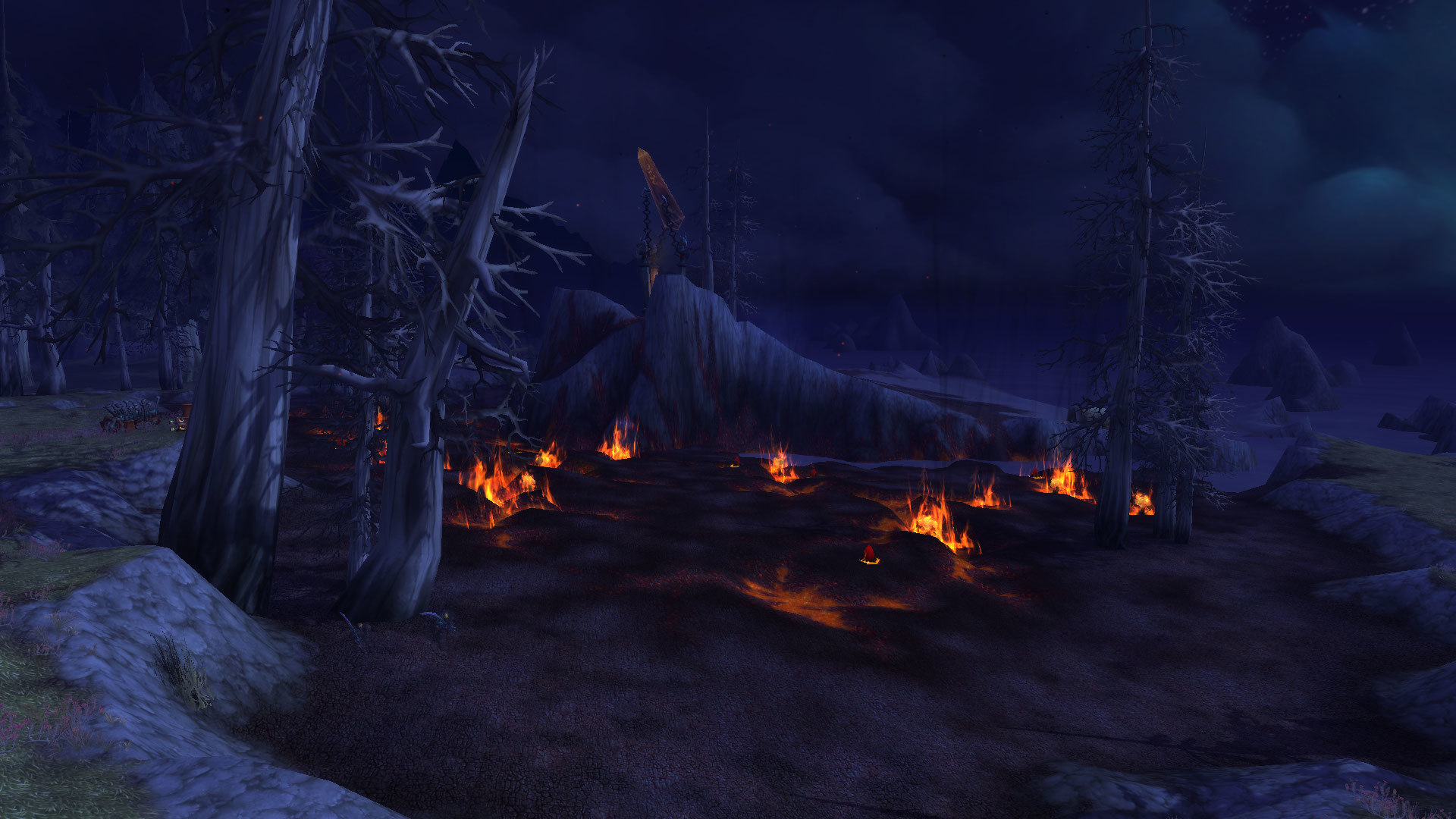
The destruction of Teldrassil marked a pivotal moment in the lore of World of Warcraft, resulting in the catastrophic loss of the Night Elf homeland and the subsequent diaspora of its people. This event not only reshaped the political landscape of Azeroth but also deeply affected the Night Elves’ cultural identity and their relationship with the world. Understanding the implications of Teldrassil’s fall is crucial for grasping the ongoing narrative of the game and the struggles faced by the Night Elf race. This guide will explore the events leading to the destruction, the immediate aftermath, and the broader consequences for the Night Elf community.
What led to the destruction of Teldrassil and its significance?
The destruction of Teldrassil was orchestrated by the Horde, specifically through the actions of Sylvanas Windrunner, leading to a significant turning point in the World of Warcraft narrative.
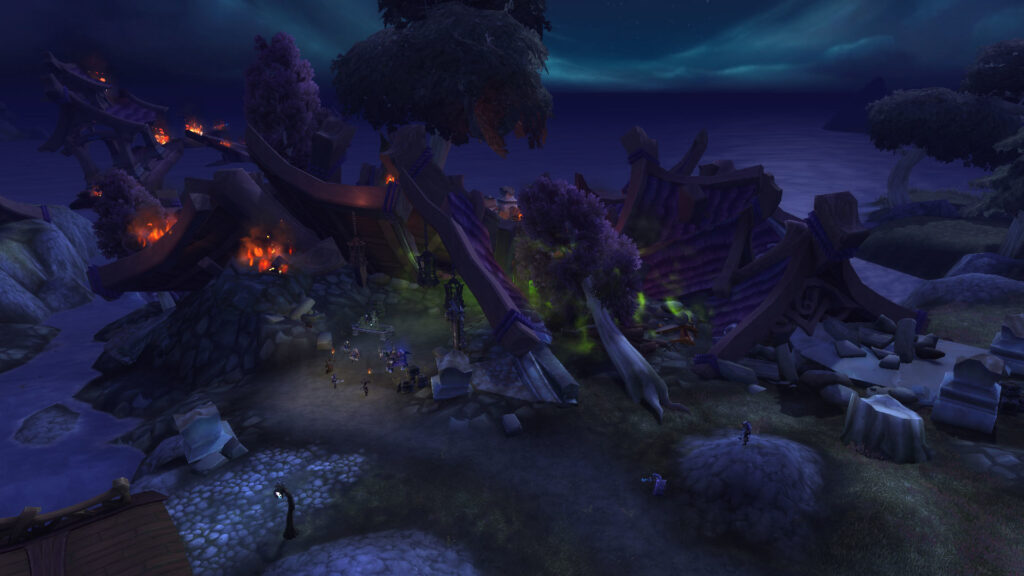
The events leading to the burning of Teldrassil were rooted in the escalating tensions between the Alliance and the Horde. The Night Elves, historically guardians of nature, found themselves at the forefront of this conflict, particularly due to their alliance with the Alliance. Sylvanas Windrunner, seeking to assert dominance and provoke the Alliance, launched a surprise attack on Teldrassil, culminating in its destruction. This act was not merely a tactical maneuver; it symbolized a profound betrayal and a shift in the balance of power in Azeroth, igniting a war that would have lasting repercussions for both factions.
In the aftermath of Teldrassil’s burning, the Night Elves faced an existential crisis. Their home, a symbol of their culture and history, was reduced to ashes, leading to a widespread diaspora as survivors sought refuge in other lands. This loss not only fragmented their society but also forced them to confront their identity as a people. The Night Elves, once proud and reclusive, were now scattered and vulnerable, struggling to adapt to a world that had dramatically changed. The destruction of Teldrassil thus serves as a critical narrative device, highlighting themes of loss, resilience, and the ongoing struggle for survival.
- Understand the historical context of Night Elves in Azeroth.
- Analyze the political motivations behind Sylvanas’s actions.
- Examine the immediate consequences for the Night Elf community.
- Explore the cultural impact of Teldrassil’s loss on Night Elf identity.
How did the Night Elf diaspora unfold after Teldrassil’s fall?
The Night Elf diaspora following Teldrassil’s destruction was marked by a mass exodus of survivors seeking safety and a new identity amidst the chaos.
Following the catastrophic loss of their homeland, the Night Elves faced a dire need to regroup and find new places to settle. Many fled to the surrounding regions, including Darkshore and Ashenvale, while others sought refuge in the Alliance’s territories. This migration was not merely a physical relocation; it represented a profound shift in their societal structure and cultural practices. The Night Elves, once isolated and self-sufficient, were now reliant on the goodwill of other races, which created a complex dynamic within the Alliance. The diaspora also led to the emergence of new leaders and factions among the Night Elves, each with differing visions for their future.
As they settled in new areas, the Night Elves began to adapt their traditions to their new environments. This included the integration of other cultural practices and the establishment of new communities that reflected their diverse experiences. The loss of Teldrassil also prompted a reevaluation of their relationship with nature, as many sought to preserve what remained of their heritage. The diaspora thus became a catalyst for change, pushing the Night Elves to redefine their identity in a world that had turned hostile. The ongoing narrative continues to explore these themes, showcasing how the Night Elves navigate their new reality while grappling with the scars of their past.
What were the immediate impacts of Teldrassil’s destruction on Night Elf society?
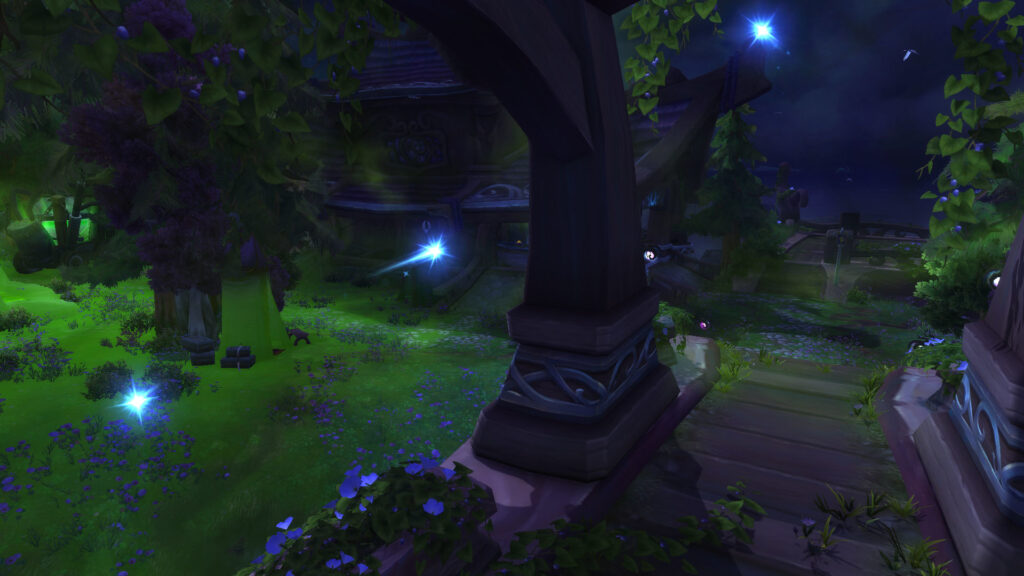
The immediate impacts of Teldrassil’s destruction on Night Elf society included a loss of cultural heritage, fragmentation of communities, and a shift in political alliances.
The destruction of Teldrassil resulted in the loss of countless lives and the obliteration of a central cultural hub for the Night Elves. This event not only severed their connection to their ancestral lands but also dismantled the societal structures that had sustained them for millennia. The Night Elves were forced to confront the reality of their vulnerability, leading to a crisis of identity as they struggled to maintain their traditions in the face of overwhelming loss. The immediate aftermath saw a rise in militant factions among the survivors, as some sought vengeance against the Horde while others advocated for a more diplomatic approach.
Furthermore, the political landscape of Azeroth shifted dramatically as the Night Elves sought to forge new alliances. Their relationship with the Alliance became more complex, as they navigated the delicate balance between seeking support and asserting their autonomy. The loss of Teldrassil also prompted discussions about the Night Elves’ role in the broader conflict between the Alliance and the Horde, leading to a reevaluation of their strategies and objectives. The immediate impacts of this tragedy thus set the stage for ongoing conflicts and alliances that would shape the future of Azeroth.
What key events followed the burning of Teldrassil?
Following the burning of Teldrassil, several key events unfolded that significantly impacted the Night Elves and the broader narrative of World of Warcraft.
This table summarizes the major events that occurred in the aftermath of Teldrassil’s destruction, highlighting their significance and implications for the Night Elf community and the ongoing conflict in Azeroth.
| Event | Date | Location | Impact |
|---|---|---|---|
| Burning of Teldrassil | Battle for Azeroth Launch | Teldrassil | Destruction of Night Elf homeland |
| Night Elf Exodus | Immediately after | Darkshore, Ashenvale | Mass migration and diaspora |
| Formation of New Alliances | Post-exodus | Various | Shift in political dynamics |
How did the Night Elves adapt to their new circumstances?
The Night Elves adapted to their new circumstances through community rebuilding, cultural integration, and the establishment of new leadership structures.
In the wake of Teldrassil’s destruction, the Night Elves faced the daunting task of rebuilding their communities from the ground up. This involved not only finding new places to settle but also fostering a sense of unity among the displaced. Many Night Elves turned to their ancient traditions for guidance, seeking to preserve their cultural identity while also embracing new influences from the regions they inhabited. This adaptability was crucial for their survival, as they learned to navigate the complexities of life in a world that had become increasingly hostile.
The establishment of new leadership structures also played a vital role in their adaptation. With the loss of traditional leaders, new figures emerged to guide the Night Elves through this tumultuous period. These leaders often represented diverse perspectives, reflecting the varied experiences of the Night Elf diaspora. This shift in leadership allowed for a more inclusive approach to decision-making, enabling the Night Elves to address their challenges collaboratively. As they adapted to their new circumstances, the Night Elves began to forge a new identity that honored their past while looking towards the future.
What lessons can be learned from the Night Elf experience post-Teldrassil?
The Night Elf experience post-Teldrassil teaches valuable lessons about resilience, community, and the importance of cultural preservation in the face of adversity.
The Night Elves’ journey following the destruction of Teldrassil highlights the importance of resilience in overcoming profound loss. Their ability to adapt and rebuild serves as a testament to the strength of their cultural identity, even when faced with existential threats. This experience underscores the significance of community in times of crisis, as the Night Elves relied on one another for support and solidarity. By coming together, they were able to navigate the challenges of their new reality and forge a path forward.
Additionally, the Night Elves’ story emphasizes the need for cultural preservation amid rapid change. As they encountered new environments and influences, the Night Elves worked to maintain their traditions and values, ensuring that their heritage would not be lost. This commitment to cultural continuity is a powerful reminder of the importance of identity in shaping a community’s future. The lessons learned from the Night Elf experience post-Teldrassil resonate beyond the game, offering insights into the human condition and the enduring spirit of resilience.
Frequently Asked Questions
What were the main reasons for the conflict between the Alliance and the Horde?
The conflict between the Alliance and the Horde has deep historical roots, primarily stemming from territorial disputes, differing ideologies, and past grievances. The Night Elves’ alliance with the Alliance further complicated matters, as their interests often clashed with the Horde’s ambitions. The burning of Teldrassil was a culmination of these tensions, representing a significant escalation in hostilities.
How did the Night Elves respond to the loss of Teldrassil?
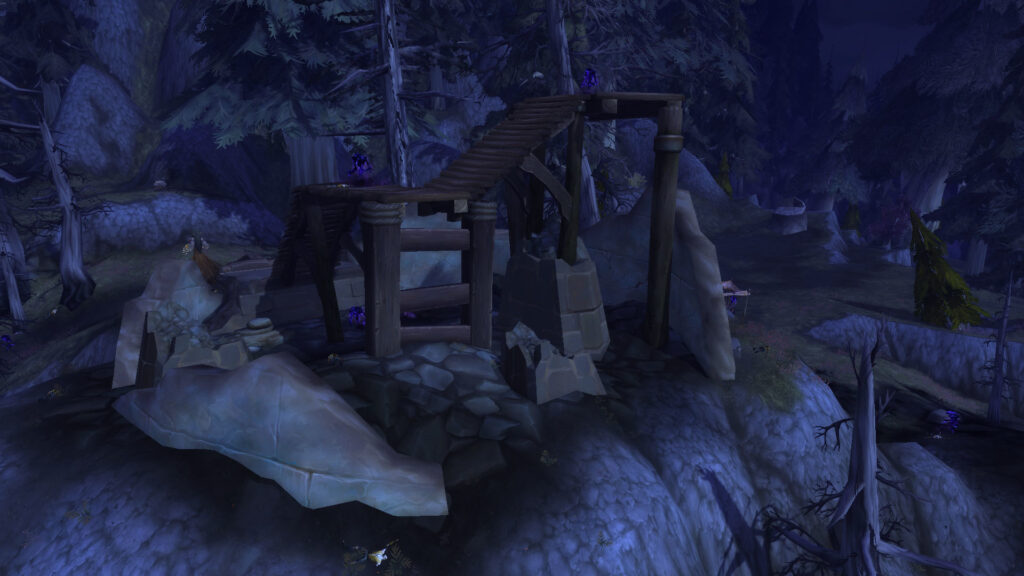
In response to the loss of Teldrassil, the Night Elves mobilized to regroup and seek refuge in surrounding areas. Many formed new communities and alliances while grappling with their grief and loss. The experience prompted a reevaluation of their identity and their role within the broader conflict between the Alliance and the Horde.
What impact did Teldrassil’s destruction have on the Night Elf culture?
The destruction of Teldrassil had a profound impact on Night Elf culture, leading to a fragmentation of their society and a crisis of identity. As they adapted to new environments, the Night Elves sought to preserve their traditions while integrating new influences, resulting in a dynamic cultural evolution.
Are there any ongoing narratives related to the Night Elves in World of Warcraft?
Yes, the Night Elves continue to play a significant role in the ongoing narratives of World of Warcraft. Their struggles for survival, identity, and vengeance are central themes in the game’s evolving story, reflecting the broader conflicts within Azeroth.
Leave a Reply