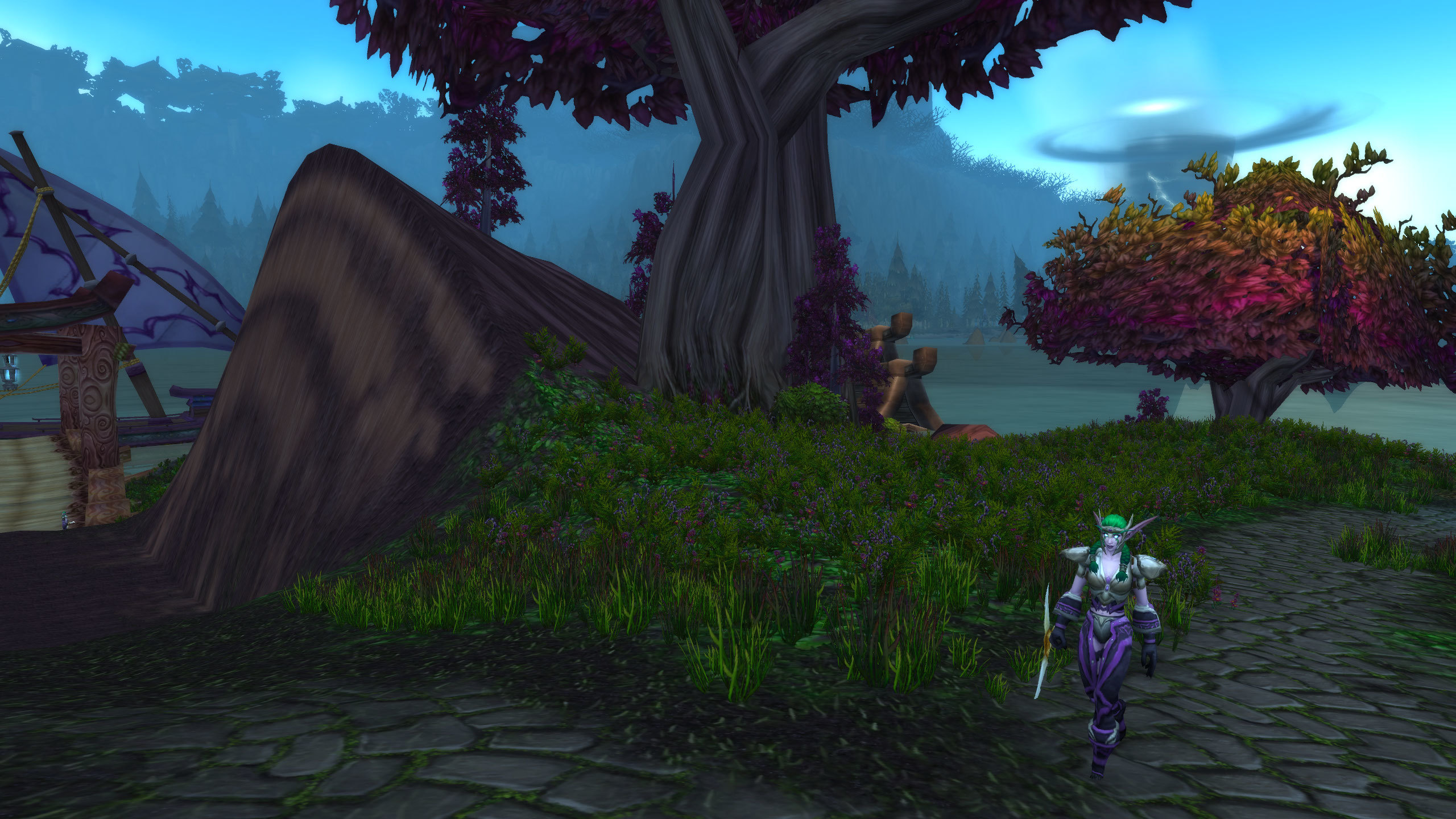
For the night elves, the moon is not simply a celestial body—it is a guiding presence, a spiritual compass, and the living embodiment of Elune herself. Her light shaped their earliest civilizations, defined their rituals, and illuminated their darkest nights. From the shores of ancient Kalimdor to the sacred groves of Val’sharah and the renewed hope within Amirdrassil, the influence of Elune threads through every aspect of kaldorei culture.
“Songs of Elune” explores the mysteries of lunar magic, the rituals that bind night elves to their goddess, and the emotional resonance of a culture forever shaped by moonlight.

The Moon as a Symbol of Peace and Power
Night elves have always seen the moon as a reflection of balance—gentle yet powerful, serene yet unpredictable. Moonlight anchors their spiritual practices, shaping both simple traditions and great rituals. For sentinels and priestesses alike, the moon serves as a quiet reminder that illumination can be soft but still reveal great truths.
Elune’s light is not a weapon by default, but a blessing. It comforts, guides, and heals. Yet when her children are threatened, it becomes a force capable of piercing shadows and silencing corruption.
Lunar Magic Within the Priesthood
The Sisterhood of Elune holds one of the most ancient magical traditions in Azeroth. Their power does not draw from arcane manipulation or wild druidic force—it flows directly from Elune’s presence. This makes their magic uniquely emotional, shaped by devotion, meditation, and harmonious connection rather than rigid spellcraft.
Moonfire, Starfall, and the soothing warmth of lunar healing are more than simple abilities. They are echoes of the goddess’s will, carried through the hearts of her priestesses.
List: The Sacred Forms of Lunar Devotion
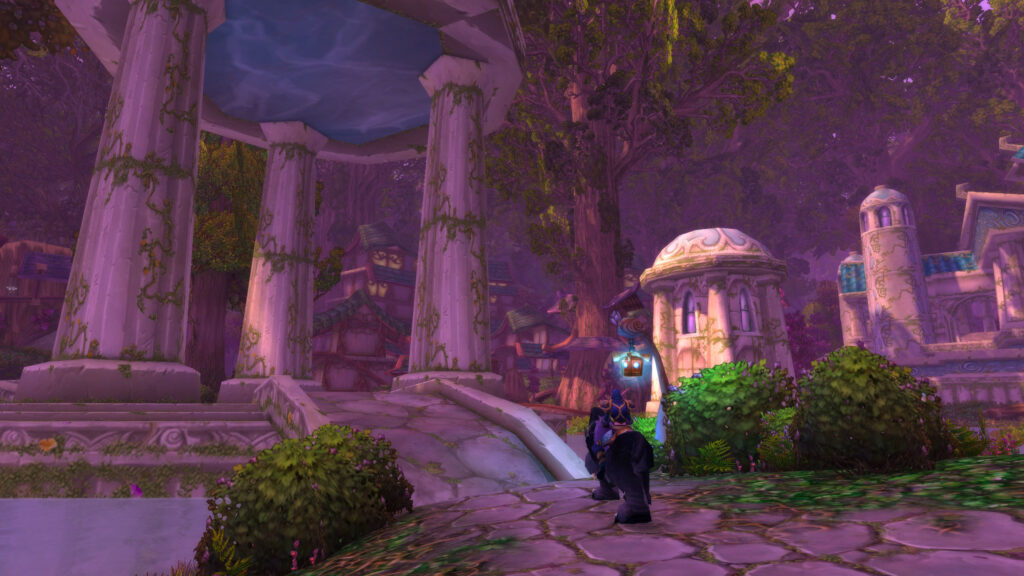
Night elves channel their connection to Elune through several distinct practices:
- Lunar Hymns: Chanted melodies that call upon Elune’s presence during rites of healing, mourning, or celebration.
- Crescent Rituals: Ceremonies performed during specific moon phases to empower priestesses or bless sentinels on campaign.
- Moonwell Blessings: Pools infused with pure lunar energy, used to cleanse corruption and grant spiritual clarity.
- Dreamlit Meditation: A practice bridging druidic calm with lunar focus, strengthening the bond between mind and moon.
- Starlight Armor Forging: A rare ritual practiced by artisans who weave moon-touched strands into the garments of the Sisterhood.
Each practice carries traditions older than any kingdom still standing on Azeroth.
The Cultural Rhythms of Night Elf Society
Lunar cycles shape kaldorei life in subtle but profound ways. Entire communities gather during the full moon to exchange stories, bless children, and honor ancestors. New moon nights are reserved for contemplation and remembrance—times when Elune’s light is absent, reminding her followers of loss and renewal.
The kaldorei treat the moon as a companion, not an object. Its phases mirror the emotional highs and lows experienced by the people who look to it for guidance.
Moonwells: Sacred Anchors Between Worlds
Moonwells act as focuses of Elune’s power. Their shimmering waters hold echoes of the goddess’s song, soothing spiritual wounds and cleansing corruption. These wells serve as gathering points for communities, sanctuaries for travelers, and waypoints for priestesses guiding souls through times of turmoil.
Some moonwells are ancient enough to have witnessed the rise of the kaldorei empire—others were created after the tragedy of Teldrassil, symbolizing rebirth and hope.
The Sentinels and Lunar Discipline
Though not spellcasters, the Sentinels embody Elune’s more martial teachings. Their discipline mirrors the moon’s reliability—patient, constant, quietly powerful. Through dusk and dawn, they guard sacred groves, weave through forests with silent precision, and bring lunar justice to those who threaten their homeland.
Where priestesses channel light, Sentinels channel resolve. Both are reflections of Elune’s dual nature.
The Tragedy and Renewal After Teldrassil
No event rocked kaldorei culture more deeply than the burning of Teldrassil. For many, the moon became not a comfort but a quiet witness to grief. Priestesses struggled to reconcile the enormity of loss with their faith. Yet in time, the kaldorei rediscovered their strength through remembrance. Lunar magic carried the sorrow of millions—but also carried them toward healing.
The rise of Amirdrassil signaled a new era. Moonlight once again touched fresh leaves, promising renewal after devastation.
Lunar Songs Across the Emerald Dream
Within the Emerald Dream, Elune’s presence is subtle but unmistakable. Her light filters through dream-leaves, forming patterns that only Dreamwalkers can see. Some believe these shapes are messages—soft reminders that even within the Dream’s infinite wilds, her watchful eye remains. The Dreambinders often describe this light as a heartbeat, steady and calming, guiding them through realms where reality shifts like mist.
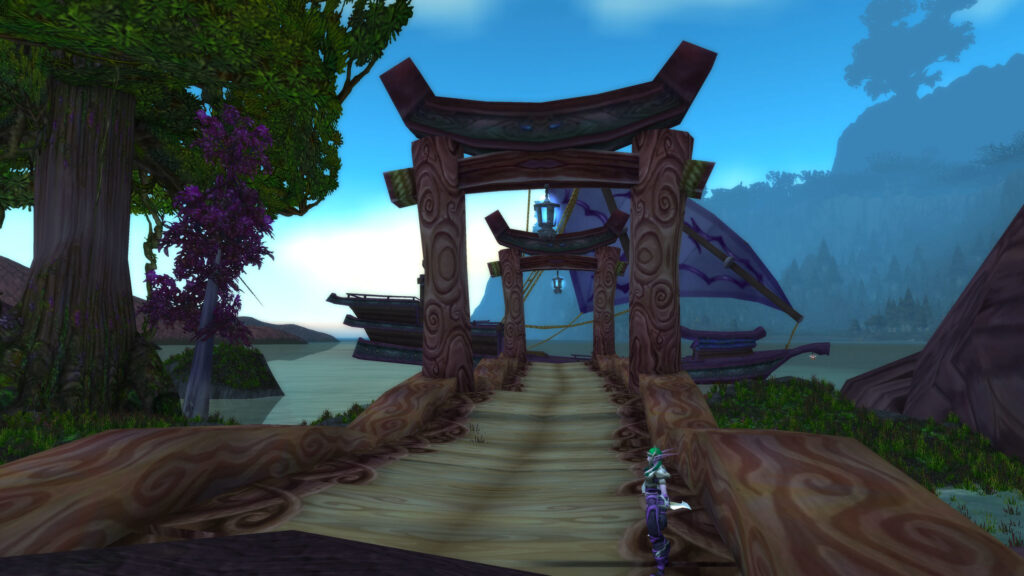
For druids and priestesses alike, the Dream is a second sanctuary where Elune’s voice is timeless.
Moon Magic in Modern Azeroth
As Azeroth faces new threats—from subterranean awakenings to cosmic upheaval—the kaldorei turn once again to their most ancient strength. Lunar magic provides stability in chaos, hope in darkness, and clarity in confusion. Modern priestesses blend old rites with new practices, adapting their spells to guide allies across fractured landscapes and empower defenders of the World Tree.
Moonlit power may be gentle, but it endures longer than any shadow.
Conclusion
Lunar magic stands at the heart of night elf identity. It guides their faith, protects their people, and shapes their history. Through joy and tragedy, through wars and renewal, Elune’s light has remained steadfast. The songs sung beneath moonlit boughs preserve the kaldorei’s deepest emotions—hope, sorrow, pride, and determination.
As long as moonlight touches Azeroth’s forests, the night elves will never forget the goddess who shaped their destiny.
Leave a Reply